

UNDERSTANDING STEALTH TECHNOLOGY
Stealth technology has transformed modern warfare by making military platforms more difficult to detect, track, and engage. From radar-absorbing materials and specialized aircraft shaping to infrared signature reduction and passive sensors, explore the principles, innovations, and history behind low-observable military systems.

What is Stealth?
Stealth, also known as Low-Observable, is the ability to reduce the probability or range of detection by an enemy who is using radar, infrared and/or acoustic methods of detection. Stealth counters these detection methods through shaping, special coatings, noise reduction as well as other various construction materials and methods. Stealth's goal is to make the platform less visible (ideally invisible) to radar, infrared, sonar and other detection methods. It corresponds to camouflage for these parts of the electromagnetic spectrum.
The concept of stealth is to operate or hide without giving enemy forces any indications as to the presence of friendly forces. This concept was first explored through camouflage by blending into the background visual clutter. As the potency of detection and interception technologies (radar, Infra-red search and track, surface-to-air missiles, etc.) have increased over time, so too has the extent to which the design and operation of military personnel and vehicles have been affected in response. Some military uniforms are treated with chemicals to reduce their infrared signature. A modern "stealth" vehicle is designed from the outset to have a chosen spectral signature. The degree of stealth embodied in a particular design is chosen according to the predicted capabilities of projected threats.

A Brief History of Stealth
Development of modern stealth technologies in the United States began in 1958, where earlier attempts in preventing radar tracking of its U-2 spy planes during the Cold War by the Soviet Union had been unsuccessful. The Radar Cross-Section formula was actually developed in the Soviet Union by Soviet/Russian physicist and mathematician Petr Ufimtsev in the 1960's. His theories inspired American stealth engineers at Lockheed's legendary Skunk Works facility. Designers turned to develop a particular shape for planes that tended to reduce detection, by redirecting electromagnetic waves from radars thereby reducing its Radar Cross-Section (RCS). Radar-absorbent material was also tested and made to reduce or block radar signals that reflect off from the surface of planes. All of this bore fruit in the world's first modern stealth platform, the Lockheed A-12 Oxcart spy plane.
STEALTH PIONEERS
Every technological revolution begins with pioneers. From experimental aircraft and unmanned vehicles to warships, helicopters, missiles, and armored fighting vehicles, these groundbreaking platforms helped establish the principles of modern stealth technology.
Some entered operational service, while others remained experimental demonstrators or ambitious concepts. Each represents an important chapter in the development of low-observable military systems.
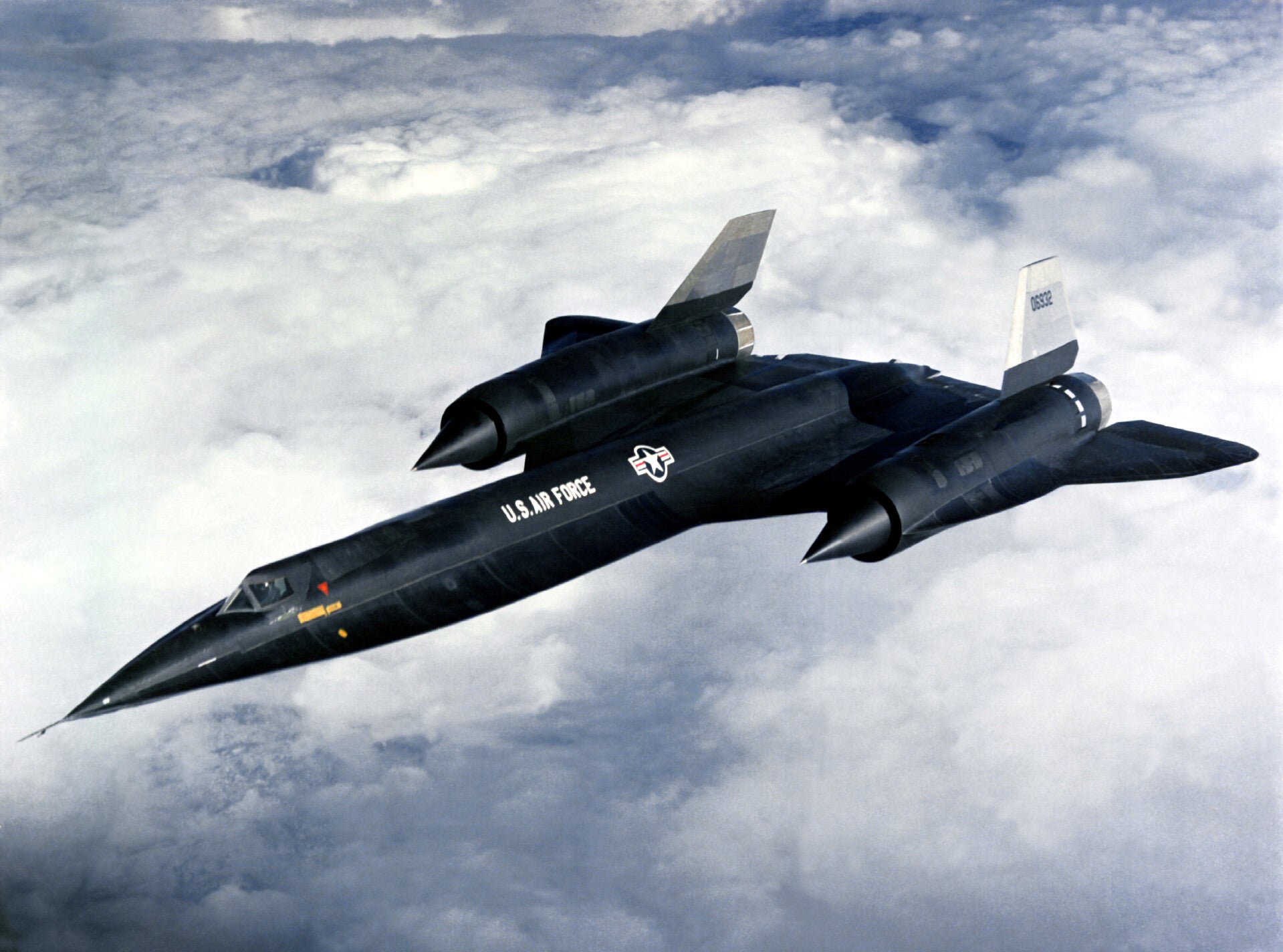
Lockheed A-12 Oxcart
Early integration of radar-signature reduction in a high-speed reconnaissance aircraft
First Flight: 1962
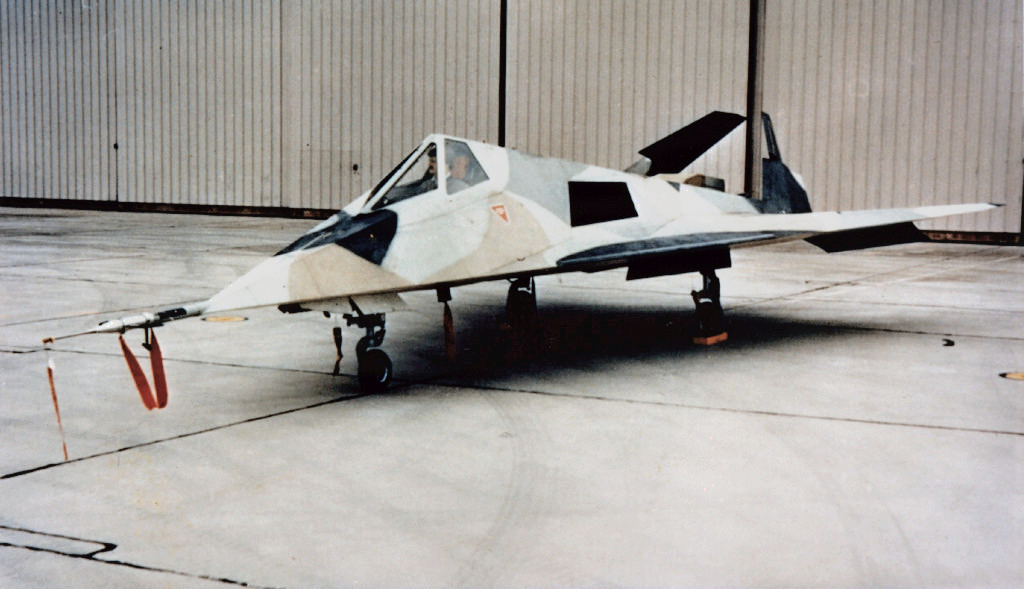
Lockheed Have Blue
Demonstrated radically reduced radar signatures through faceted shaping
First Flight: 1977
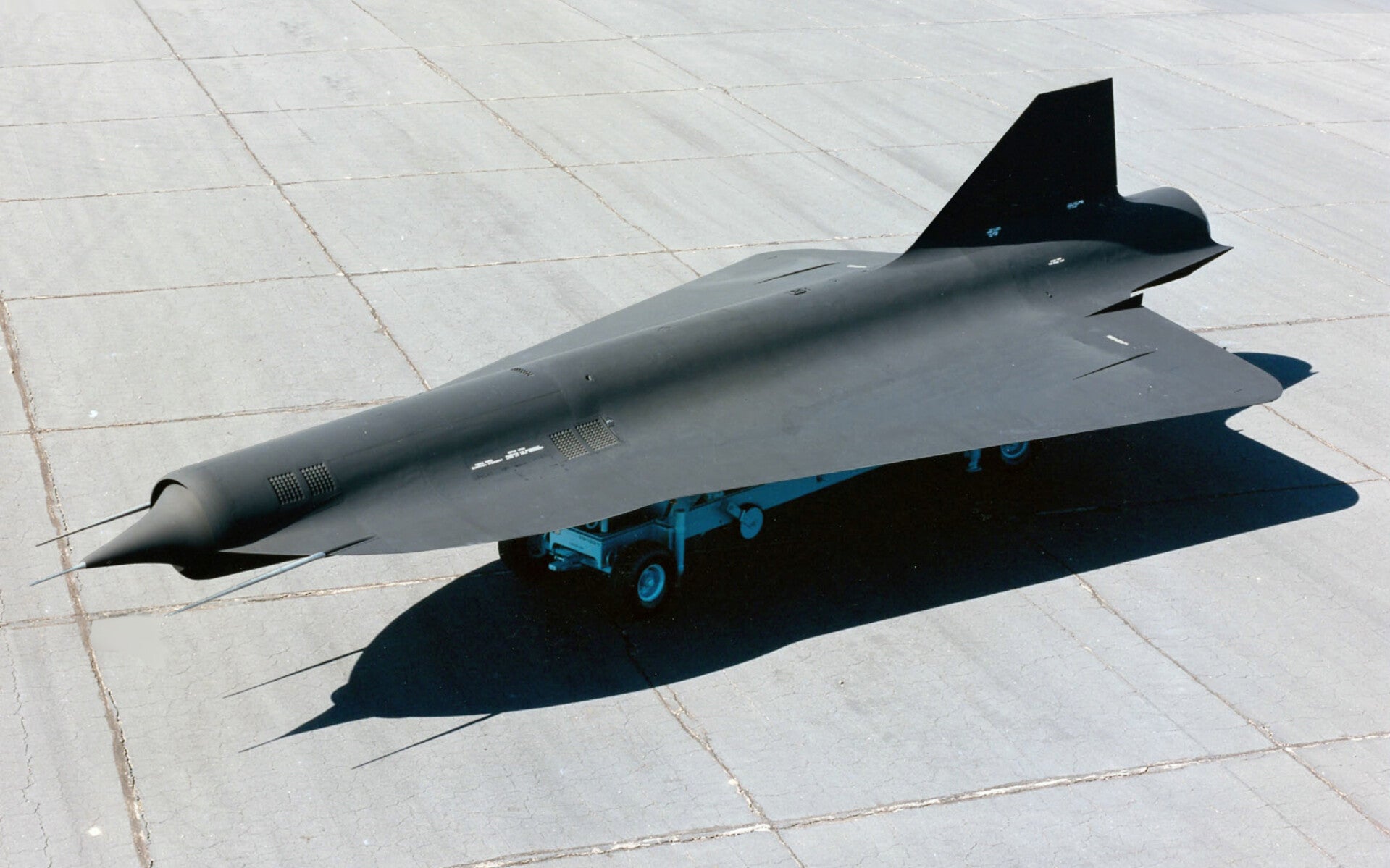
Lockheed D-21
Early low-observable unmanned reconnaissance technology
First Flight: 1964
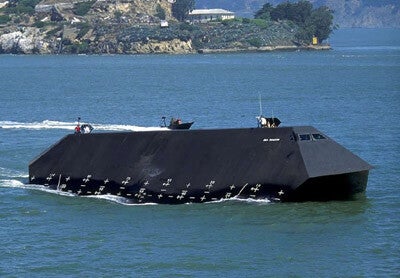
Sea Shadow (IX-529)
Experimental low-observable surface vessel
Completed: 1984
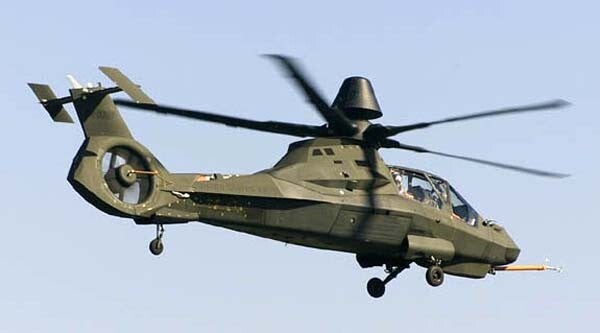
Boeing/Sikorsky RAH-66 Comanche
Integrated low-observable helicopter design
First Flight: 1996
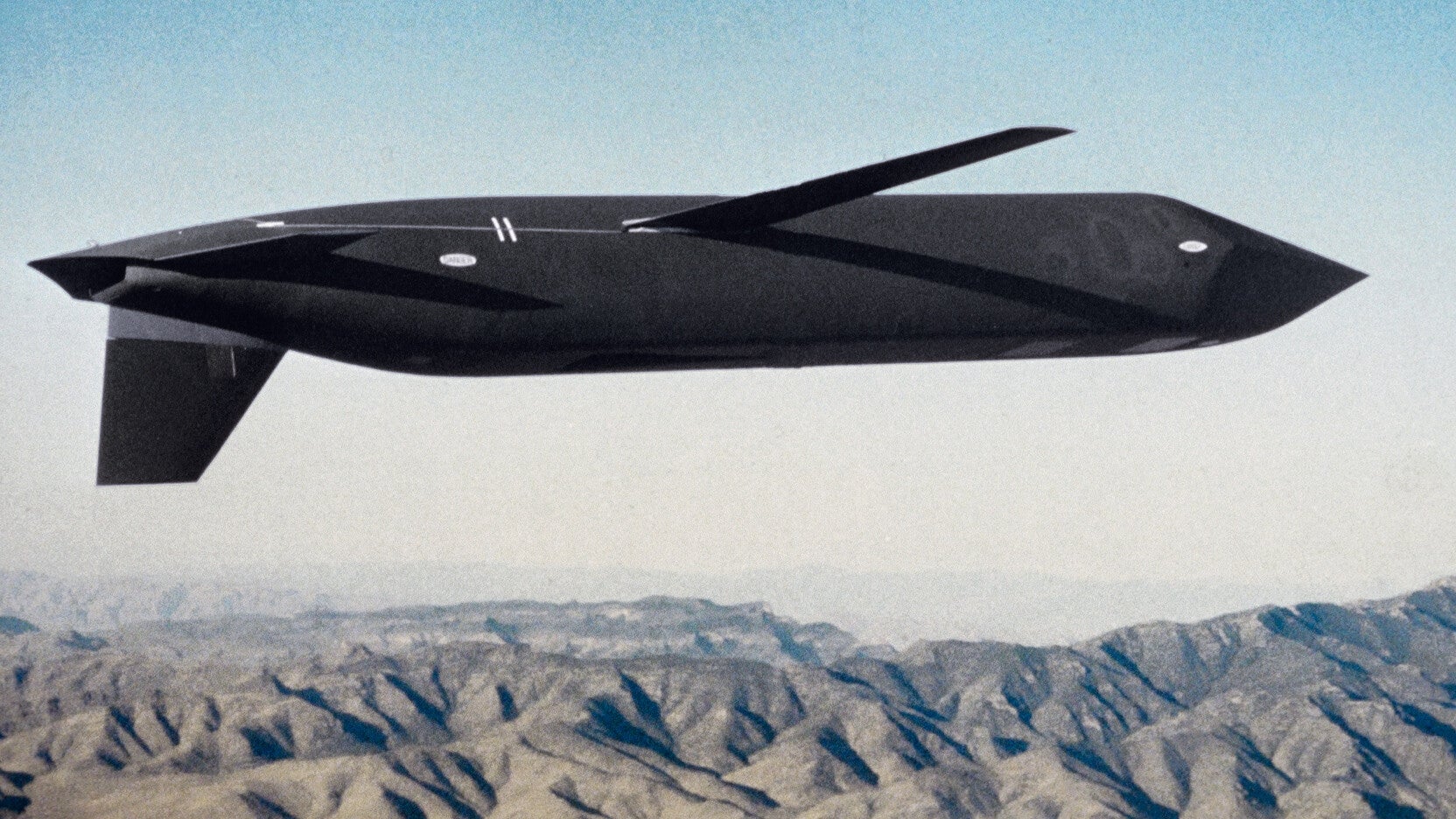
General Dynamics AGM-129A ACM
Operational stealth cruise missile technology
First Flight: 1985
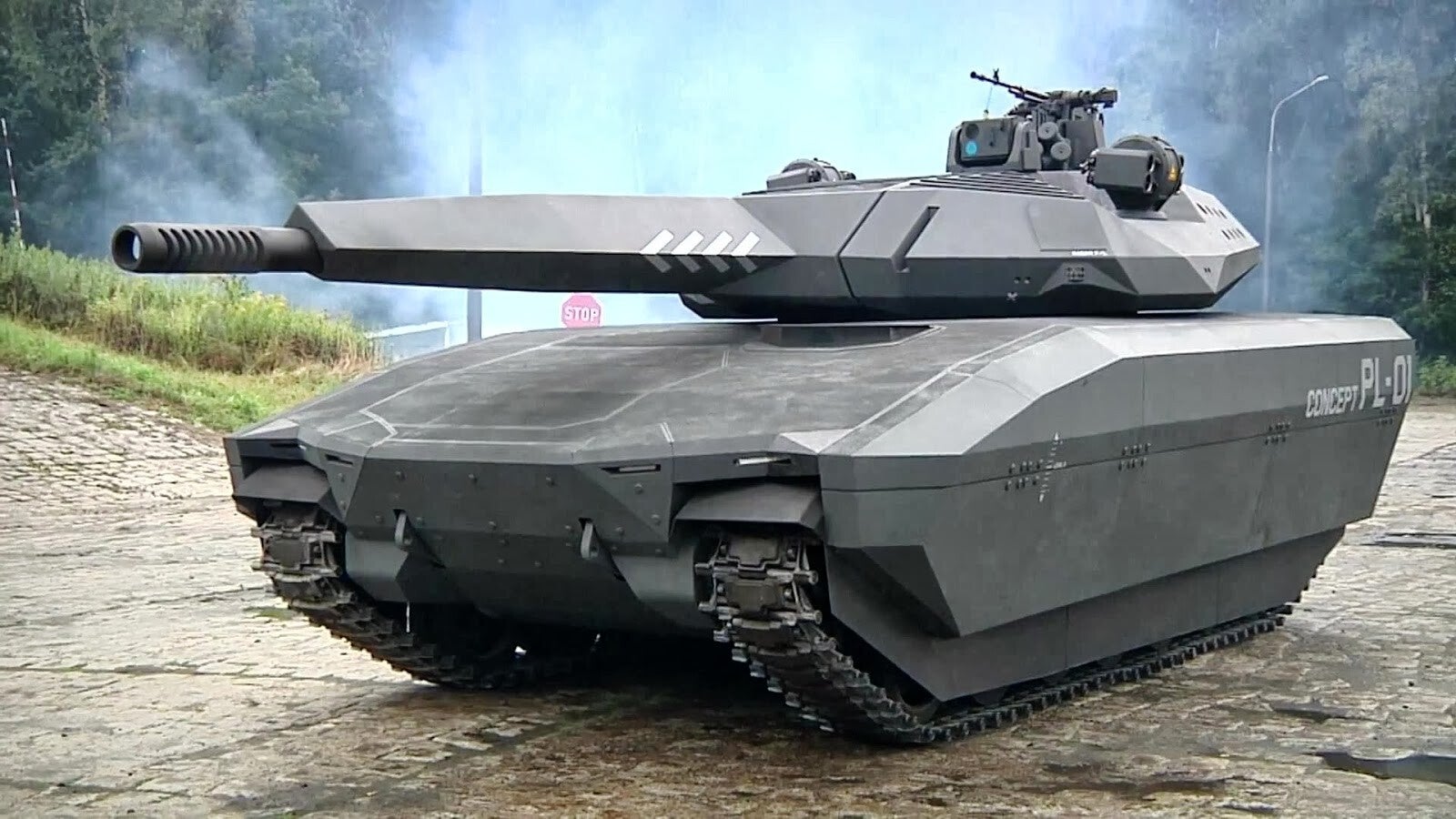
OBRUM PL-01
Integrated low-observable armored vehicle concept
Debuted: 2013
THE EVOLUTION OF STEALTH AIRCRAFT BY TECHNOLOGICAL ERA
| AIRCRAFT GENERATION | FIGHTERS | BOMBERS | RECONAISSANCE | DRONES | HELICOPTERS |
|---|---|---|---|---|---|
| 1st Generation | None | None | None | None | None |
| 2nd Generation | None | YB-49 | None | None | None |
| 3rd Generation | YF-12 | None | A-12, M-21, SR-71 | D-21 | None |
| 4th Generation | F-117, Have Blue | None | None | None | None |
| 4.5 Generation | KF-21 (Block I & II) | None | None | None | None |
| 5th Generation | F-22, YF-23, J-20, J-35, KAAN, KF-21 (Block III), AMCA, X-32, X-35, Su-57, Su-75 | B-2, H-20, PAK-DA | Aurora | X-45, X-46, X-47A, X-47B, Neuron, Tarnis, S-70 | RAH-66, MH-60 Stealth Blackhawk |
| 5.5 Generation | F-35 | None | None | RQ-170, RQ-180, MQ-25, MQ-28, X-58 | Raider X, Invictis, Defiant |
| 6th Generation | F-47, F/A-XX, J-36, J-50, GCAP, NGF, ACF | B-21 | SR-72 | FQ-44, FQ-46, YFQ-48, Stormshadow, GJ-11 | None |
Classification Note: The generations shown below represent a comparative framework for the evolution of stealth technology across different aircraft types. These classifications are illustrative and should not be interpreted as official designations for every platform listed.